Namibia Passport Photo (2×2 inch / 51×51mm) Requirements and Size Guide
Alternative 2×2 inch format for Namibia passport photos, including exact dimensions, background color, pose rules, and how to take a compliant photo at home.
Namibia Passport Photo (2×2 inch) Specifications
Requirement
Specification
Country
Namibia
Document Type
Passport (2×2 inch variant)
Photo Size
51 × 51 mm (2 × 2 inch / 5.1 × 5.1 cm)
Resolution (DPI)
600
Head Size
1 to 1⅜ inch (25–35 mm) from chin to top of head
Background Color
Plain white
Printable
Yes — on matte or glossy photo-quality paper
Digital Photo Size
1000 × 1000 pixels (at 600 DPI)
Photo Paper Type
Matte or glossy photo paper
Color
Color only (black and white not accepted)
Recency
Taken within the last 6 months
Quantity Required
1–2 photos (depending on application location)
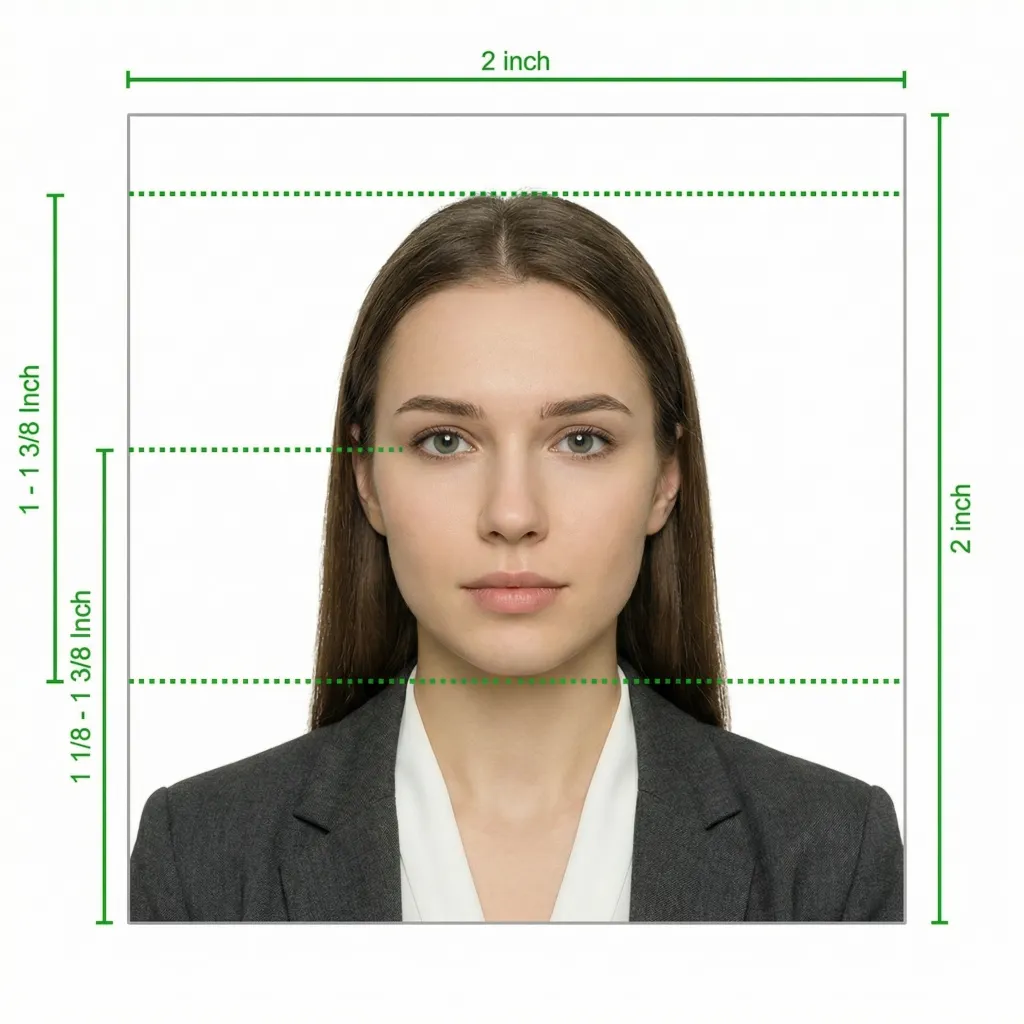
Namibia Passport Photo (2×2 inch) Size Diagram
Key measurements: The photo must be exactly 51×51mm (2×2 inches), a square format. Your head should measure 1 to 1⅜ inches (25–35mm) from chin to top of head.
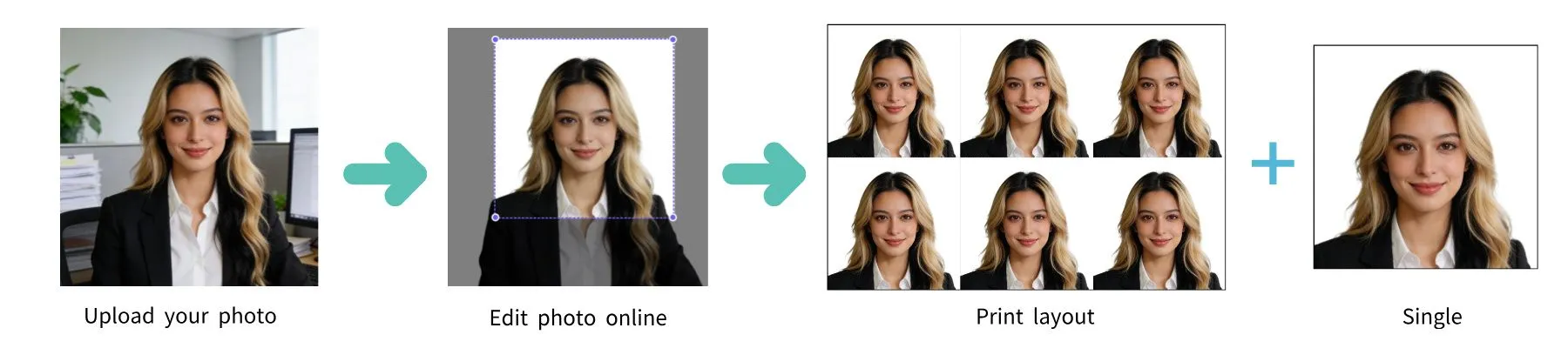
Don't worry about getting the perfect photo. Upload any photo taken at home, and our AI-powered tool will automatically crop to the correct 51×51mm size, remove and replace the background with white, adjust the head size, and ensure your photo meets all official requirements.
Namibia issues ICAO-compliant biometric passports and accepts the 2×2 inch (51×51mm) square format as an alternative to the standard 37×52mm. Below is a comprehensive guide to ensure your photo is accepted.
Photo Basics
Your photo must be in color — black and white photos are not accepted
Must be a recent photo, taken within the last 6 months
The photo must be clear and in focus, with no blurriness or pixelation
No filters or editing — do not apply social media filters or digitally alter your appearance
Must reflect your current appearance
Size and Dimensions
Photo size: exactly 51 × 51 mm (2 × 2 inches), square format
Your head should measure 1 to 1⅜ inches (25–35 mm) from chin to top of head
Printed on matte or glossy photo-quality paper
No white border around the photo
Pose and Expression
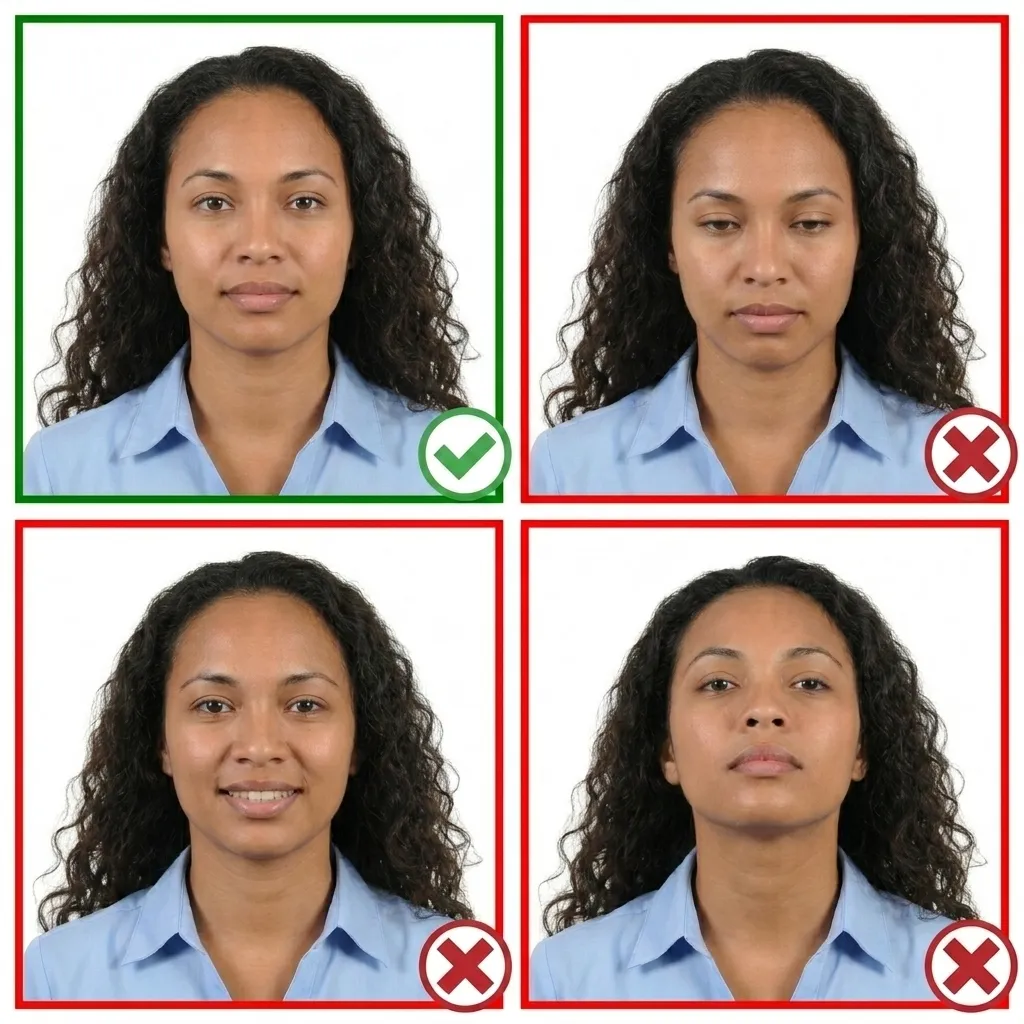
Face the camera directly — your head must not be tilted or turned
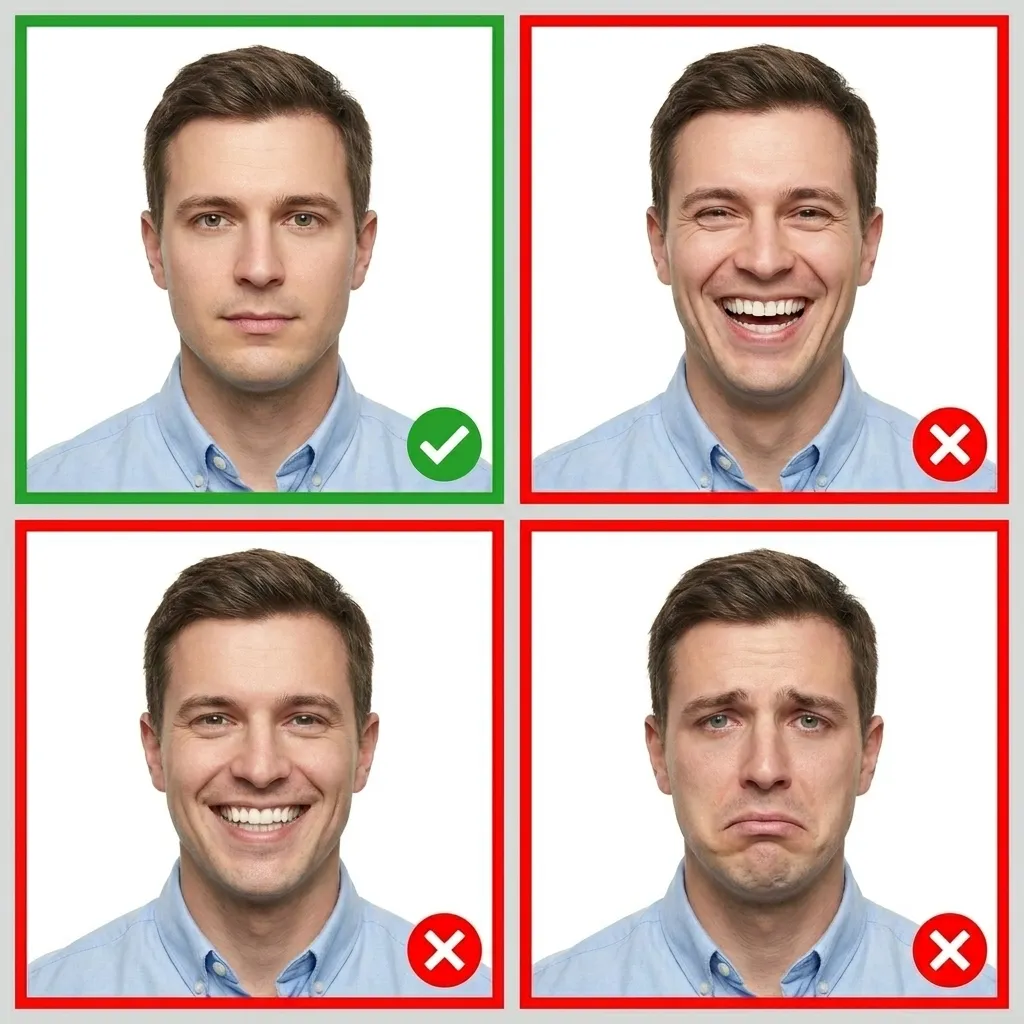
Maintain a neutral facial expression
Both eyes must be open and clearly visible
Keep your mouth closed
Ensure your face is fully visible from chin to forehead
Background
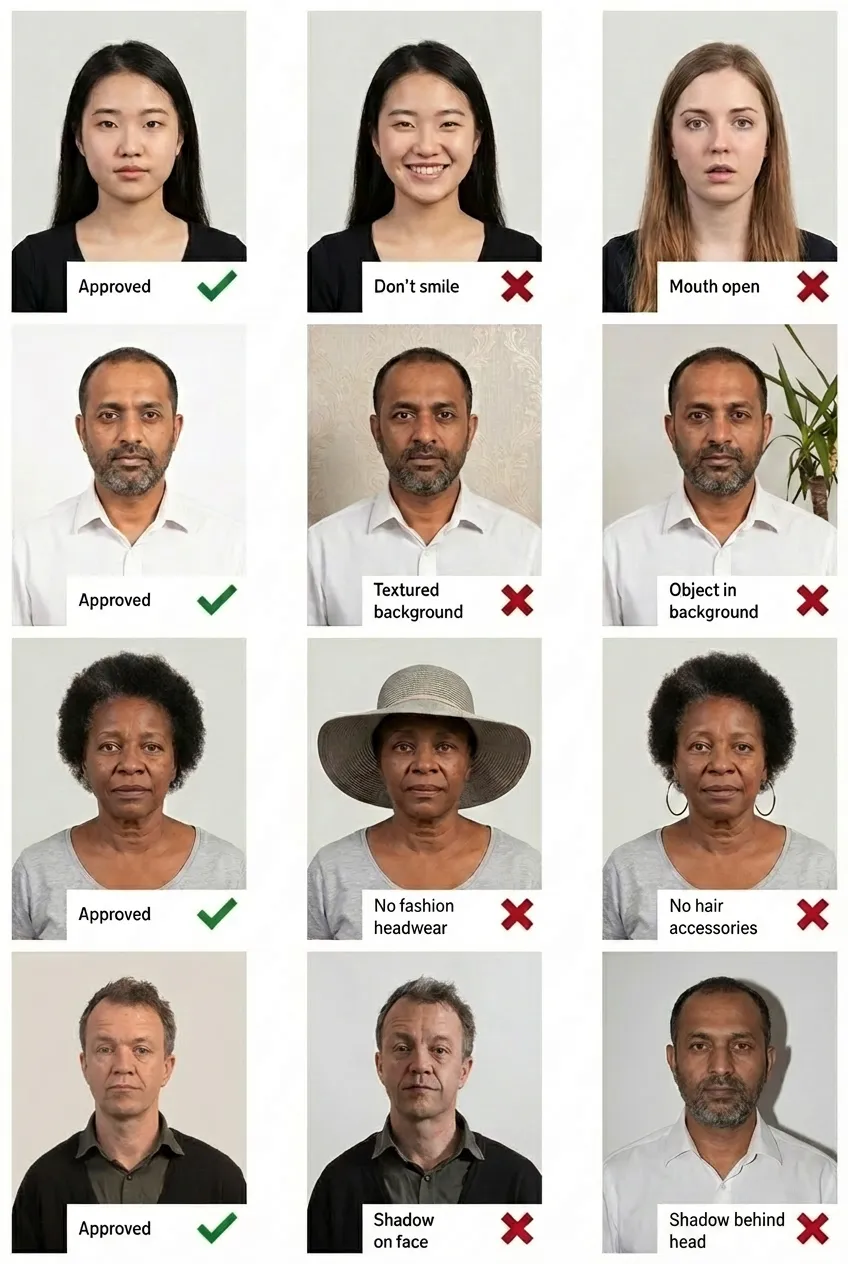
Use a plain white background
No patterns, textures, or objects visible behind you
No shadows on your face or behind your head
Sufficient contrast between your face and the background
Glasses
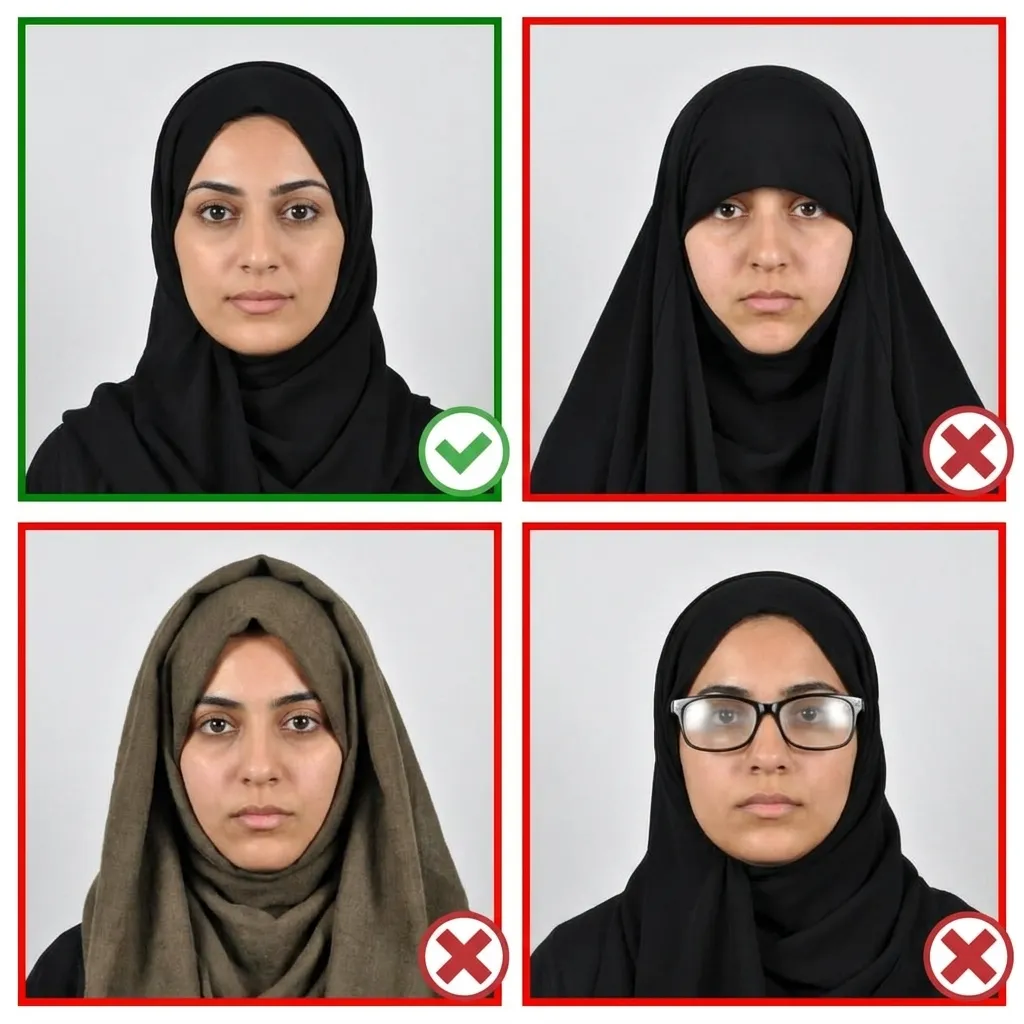
Glasses are NOT allowed in Namibia passport photos. You must remove all eyewear, including prescription glasses, before taking the photo. Sunglasses and tinted lenses are also prohibited.
Head Coverings and Hats
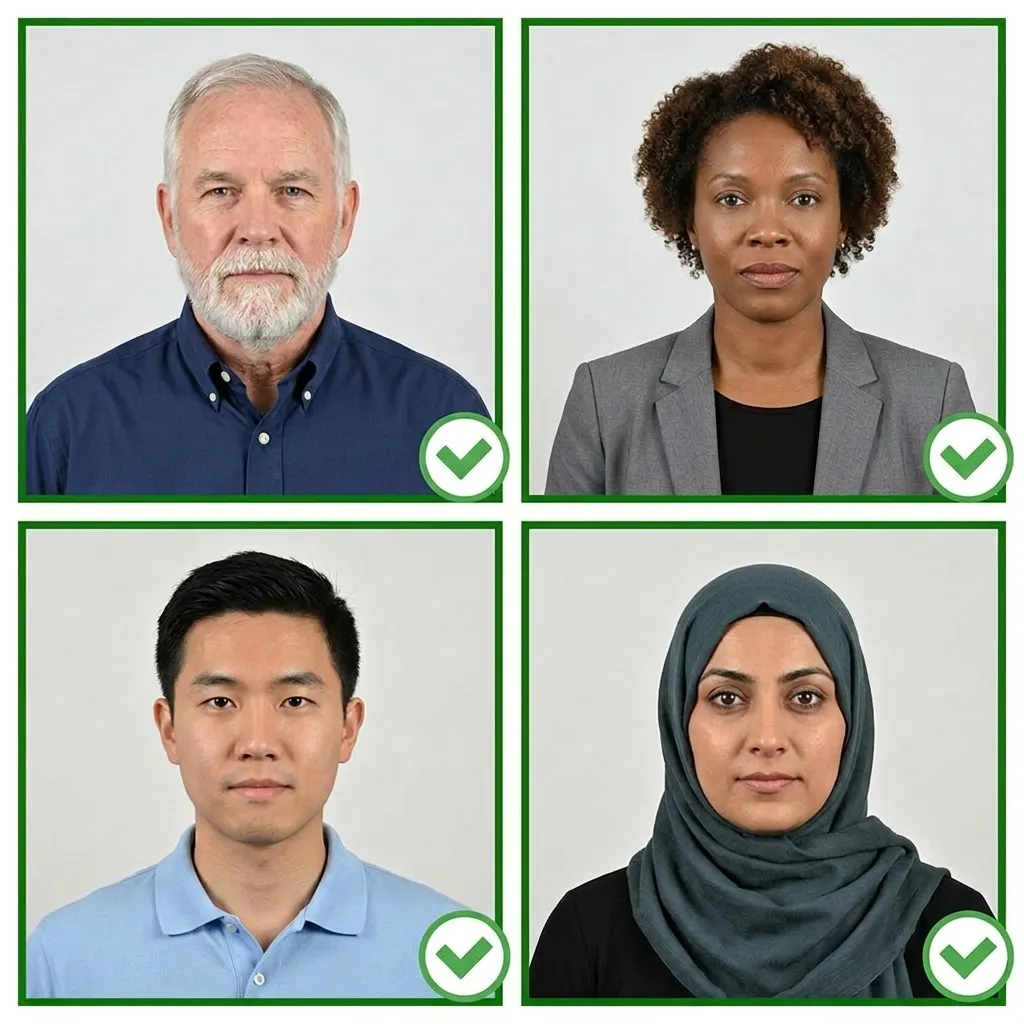
No hats or head coverings are allowed, unless worn daily for religious reasons
If worn for religious reasons, your full face must still be visible from chin to forehead
No headphones, earbuds, or wireless hands-free devices
Clothing
Wear normal everyday clothing
Do not wear uniforms, except religious clothing worn daily
Avoid wearing white or very light-colored tops that may blend with the background
Children and Baby Photos
The child must be the only person in the photo — no parent's hands or arms visible
The child's eyes must be open and visible
No toys, pacifiers, or other objects visible in the photo
A plain white sheet may be used as a background for babies
The photo must show the child's full face from chin to top of head
Additional Notes
The standard Namibia passport photo size is 37×52mm — see our Namibia Passport Photo (37×52mm) page for details. This 2×2 inch format is an accepted alternative. Some Namibian embassies, especially in the United States, may prefer the 2×2 inch format.
You don't need a professional studio. Follow these simple steps to take a compliant Namibia passport photo at home using your smartphone.
1
Use a Smartphone or Digital Camera
Any modern smartphone camera is more than capable. Make sure the lens is clean and the camera is set to the highest resolution. Place your phone on a tripod or ask someone to take the photo for you.
2
Find Good Lighting
Stand facing a window with natural daylight for the best even lighting. Avoid direct sunlight which creates harsh shadows.
Tip: Don't worry if your background isn't perfectly white. Our AI tool will automatically remove and replace the background with white.
3
Dress Appropriately
Wear normal everyday clothing. Avoid uniforms and white tops that blend with the background. Make sure your hair does not cover your eyes.
4
Pose Correctly
Stand about 1.5 meters from the camera with your head facing directly forward. Keep shoulders relaxed and head level.
5
Maintain a Neutral Expression
Keep your face relaxed with a neutral expression. Both eyes must be open and mouth closed. No shadows on your face.
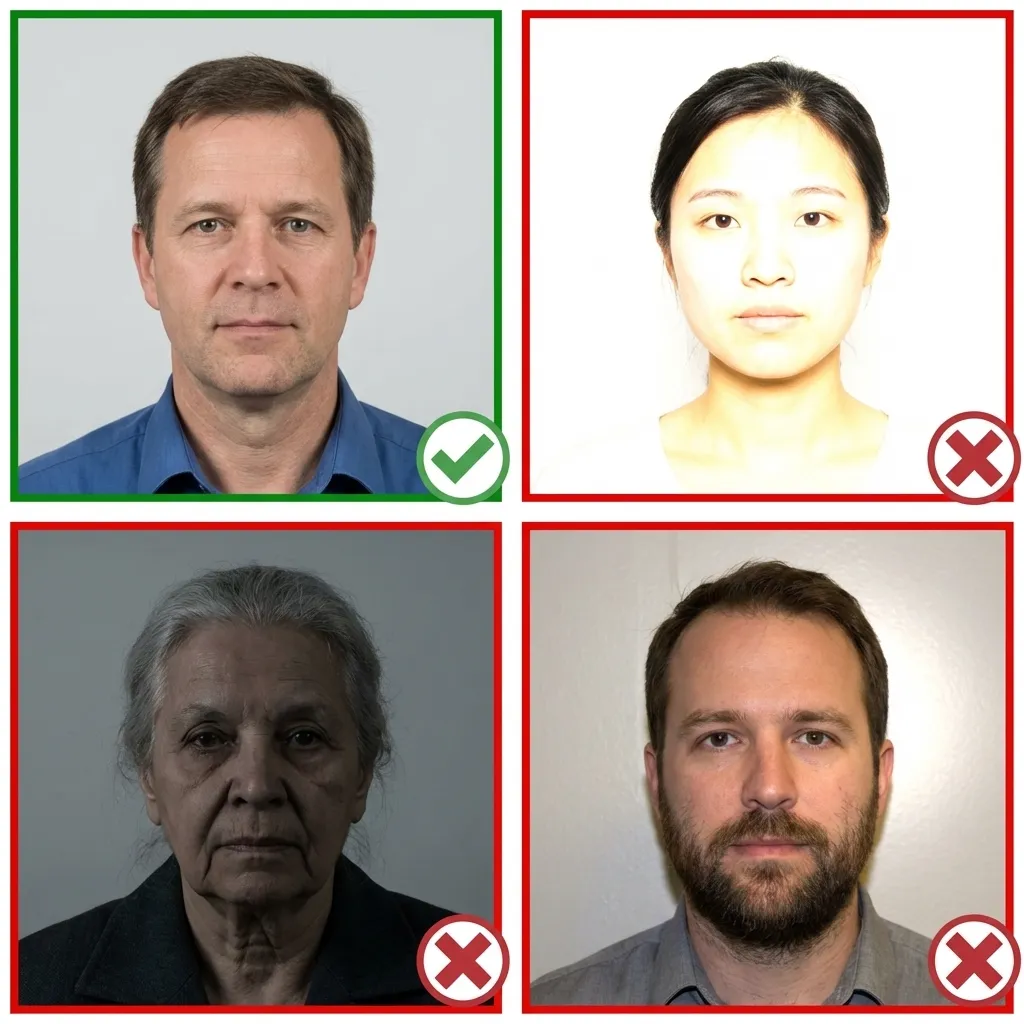
Good and Bad Examples
Comparison of acceptable and unacceptable passport photos
Frequently Asked Questions
What size is the 2×2 inch Namibia passport photo?
The alternative Namibia passport photo size is 2×2 inches (51×51mm), a square format. Your head should measure 1 to 1⅜ inches (25–35mm) from chin to top of head.
What background color is required?
The background must be plain white. No patterns, objects, shadows, or other people should be visible.
Can I wear glasses in my Namibia passport photo?
No, glasses are not allowed in Namibia passport photos. You must remove all eyewear before taking the photo.
Can I take my Namibia passport photo with my phone?
Yes! Upload it to PassportPhoto.help and our AI will automatically crop, resize, remove the background, and ensure it meets all official requirements.
How many passport photos do I need?
You need 1–2 identical color photographs sized 2×2 inches, depending on your application location.
Can I smile in my Namibia passport photo?
No. You must maintain a neutral facial expression with your mouth closed and both eyes open.
Is the 2×2 inch format accepted for Namibia passports?
Yes, Namibia accepts both the standard 37×52mm and the 2×2 inch (51×51mm) format. Some Namibian embassies, especially in the US, may prefer the 2×2 inch format.