Everything you need to know about Laos (ລາວ) visa photo requirements in the 40×60mm format, including exact dimensions, background color, pose rules, and how to take a compliant photo for eVisa and embassy applications.
| Requirement | Specification |
|---|---|
| Country | Laos (ລາວ) |
| Document Type | Visa (40×60mm format) |
| Photo Size | 40 × 60 mm (4 × 6 cm) |
| Resolution (DPI) | 600 |
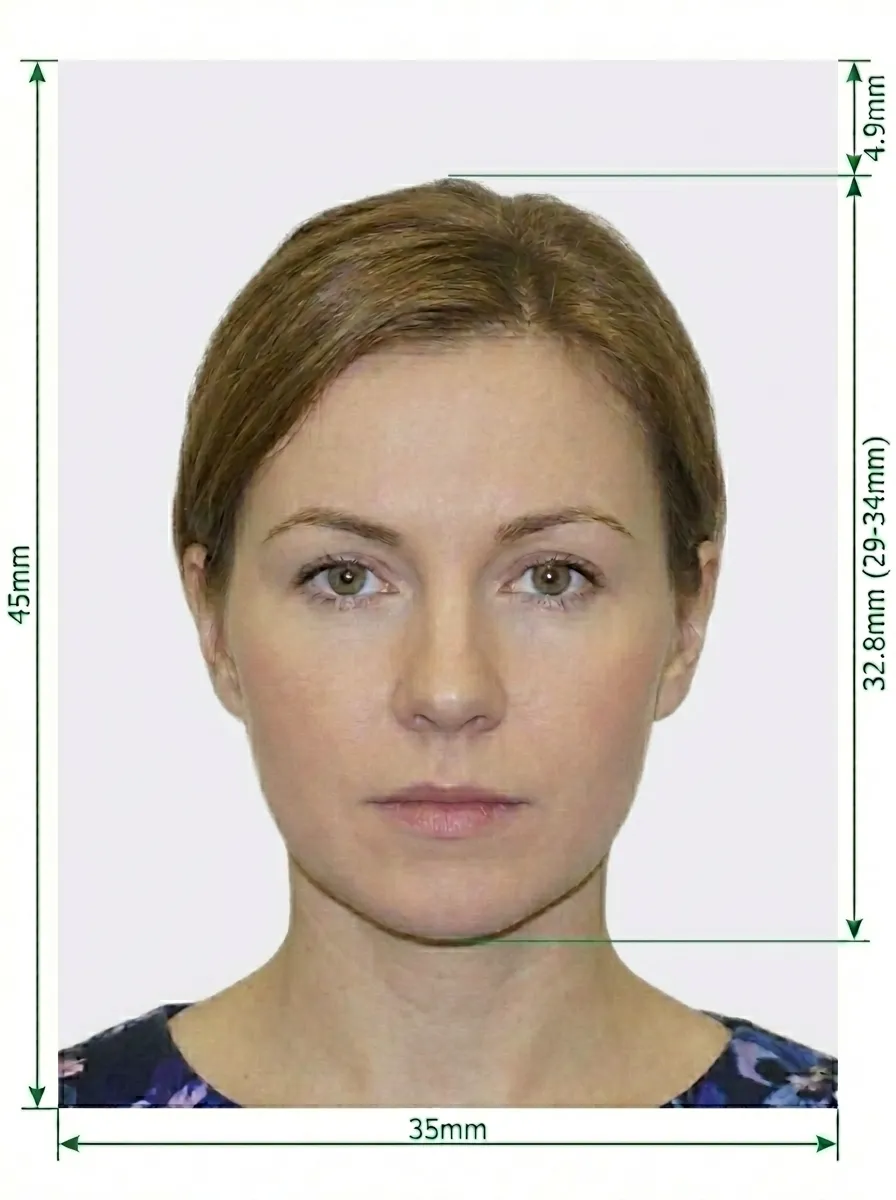
| Head Size | Approximately 34–36 mm from chin to top of head (about 60% of photo height) |
| Background Color | Plain white |
| Printable | Yes — on matte or glossy photo-quality paper |
| Digital for Online Submission | Yes (eVisa digital upload accepted) |
| Digital Photo Size | 944 × 1417 pixels (at 600 DPI) |
| Digital File Size | Under 1 MB for eVisa online submission |
| Photo Paper Type | Matte or glossy |
| Color | Color only (black and white not accepted) |
| Recency | Taken within the last 6 months |
The Lao eVisa system and Lao embassies have specific photo requirements for visa applications. Below is a comprehensive guide to ensure your photo is accepted.
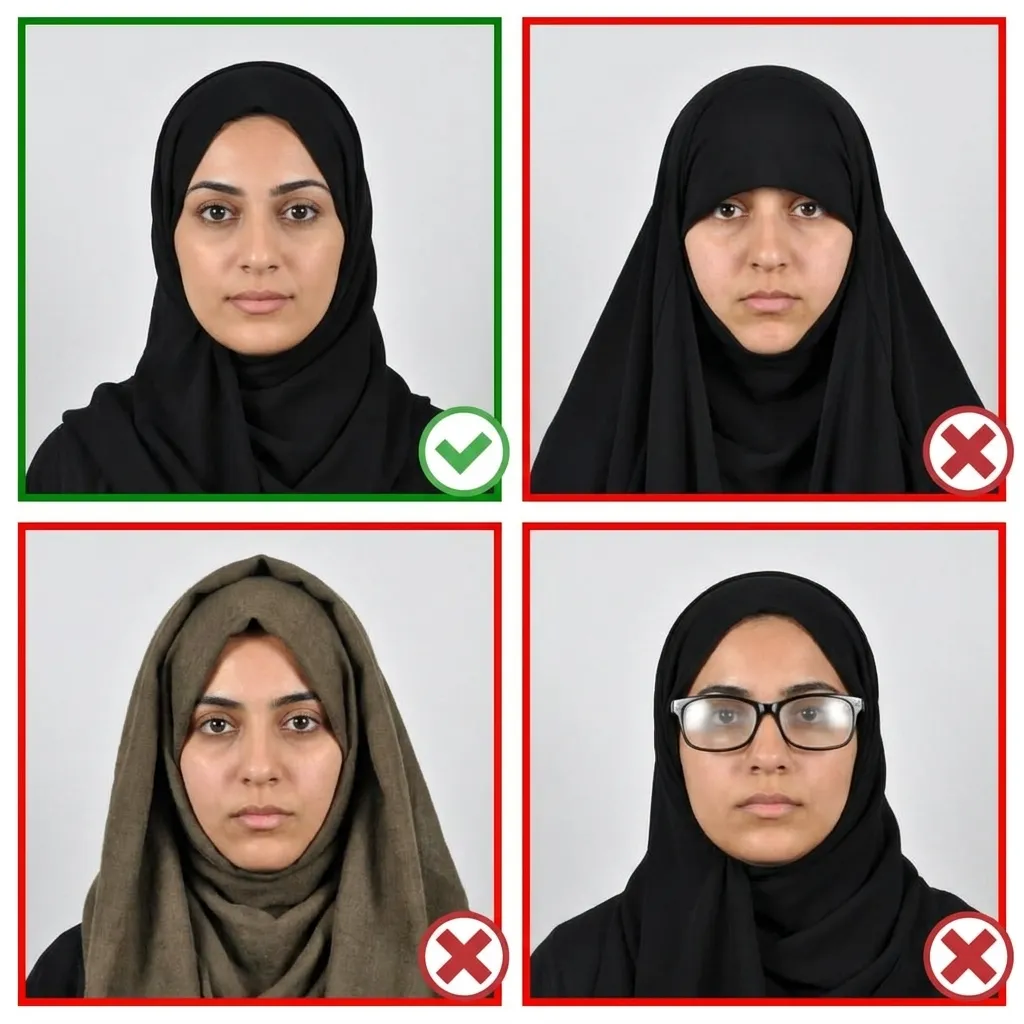
Glasses are not recommended. If you must wear prescription glasses, ensure there is no glare or reflection on the lenses, and your eyes must be clearly visible through the lenses. Sunglasses and tinted lenses are not permitted.
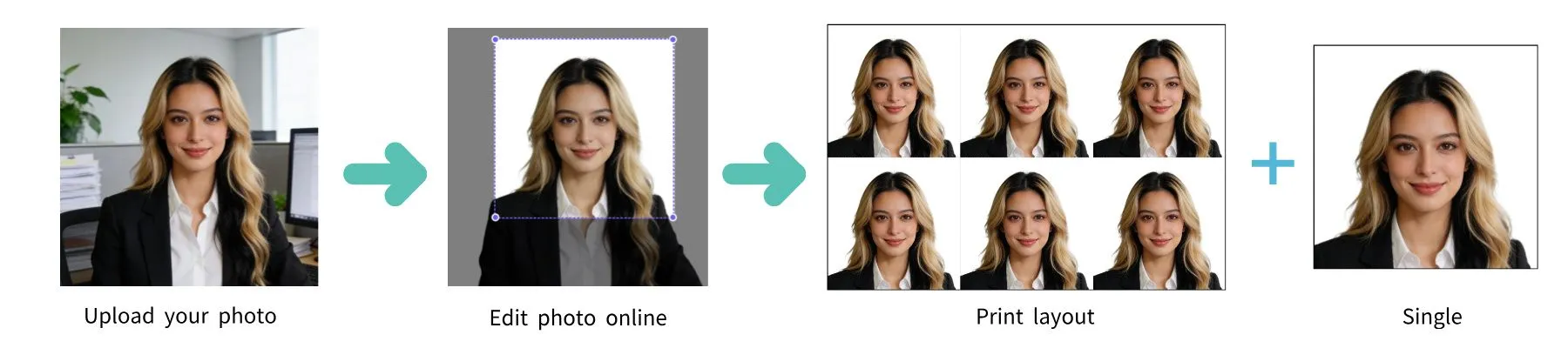
You don't need a professional studio. Follow these simple steps to take a compliant Laos visa photo at home using your smartphone.
Any modern smartphone camera (iPhone, Samsung Galaxy, Google Pixel, etc.) is more than capable of taking a visa-quality photo. Make sure the lens is clean and the camera is set to the highest resolution.
Place your phone on a tripod or ask someone to take the photo for you. Selfies tend to have the wrong angle and distortion.
Stand facing a window with natural daylight for the best even lighting. Avoid direct sunlight, which creates harsh shadows. If using indoor lighting, use multiple light sources from different angles to eliminate shadows.
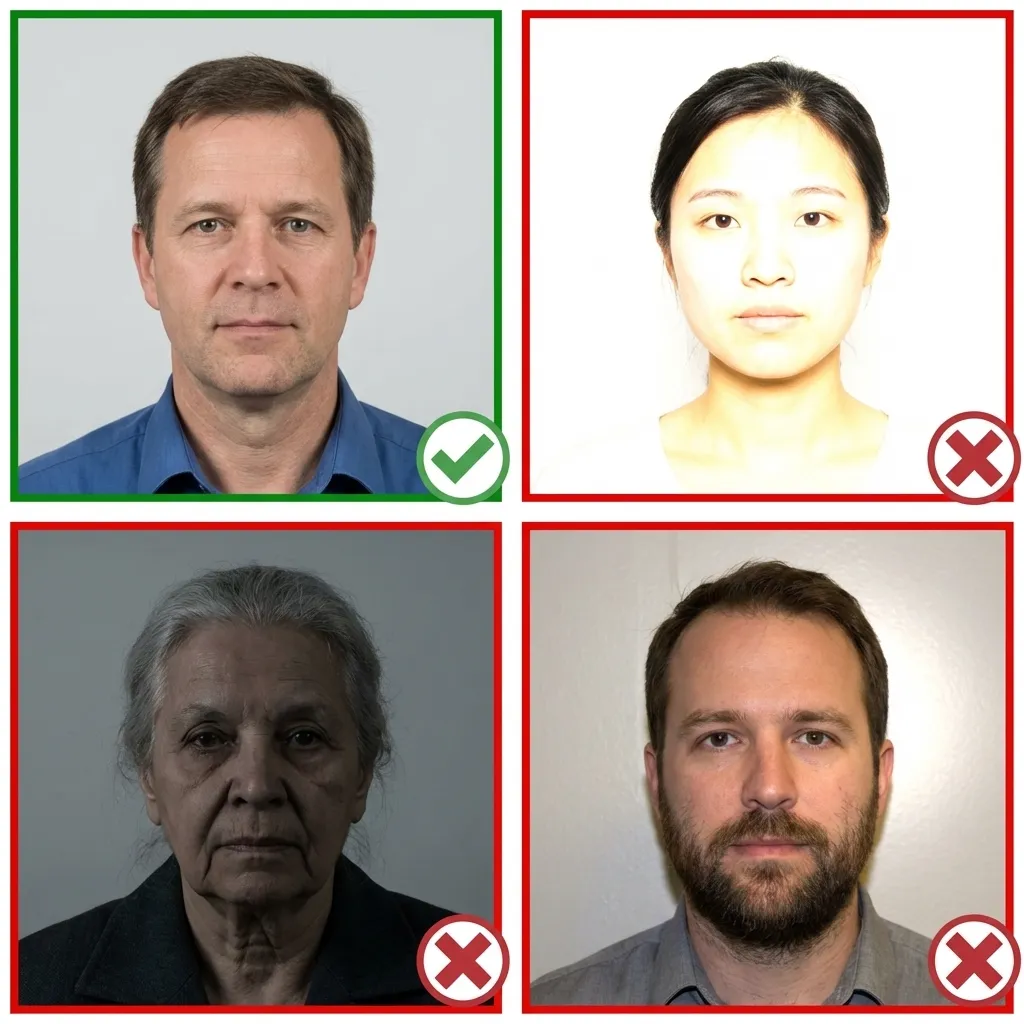
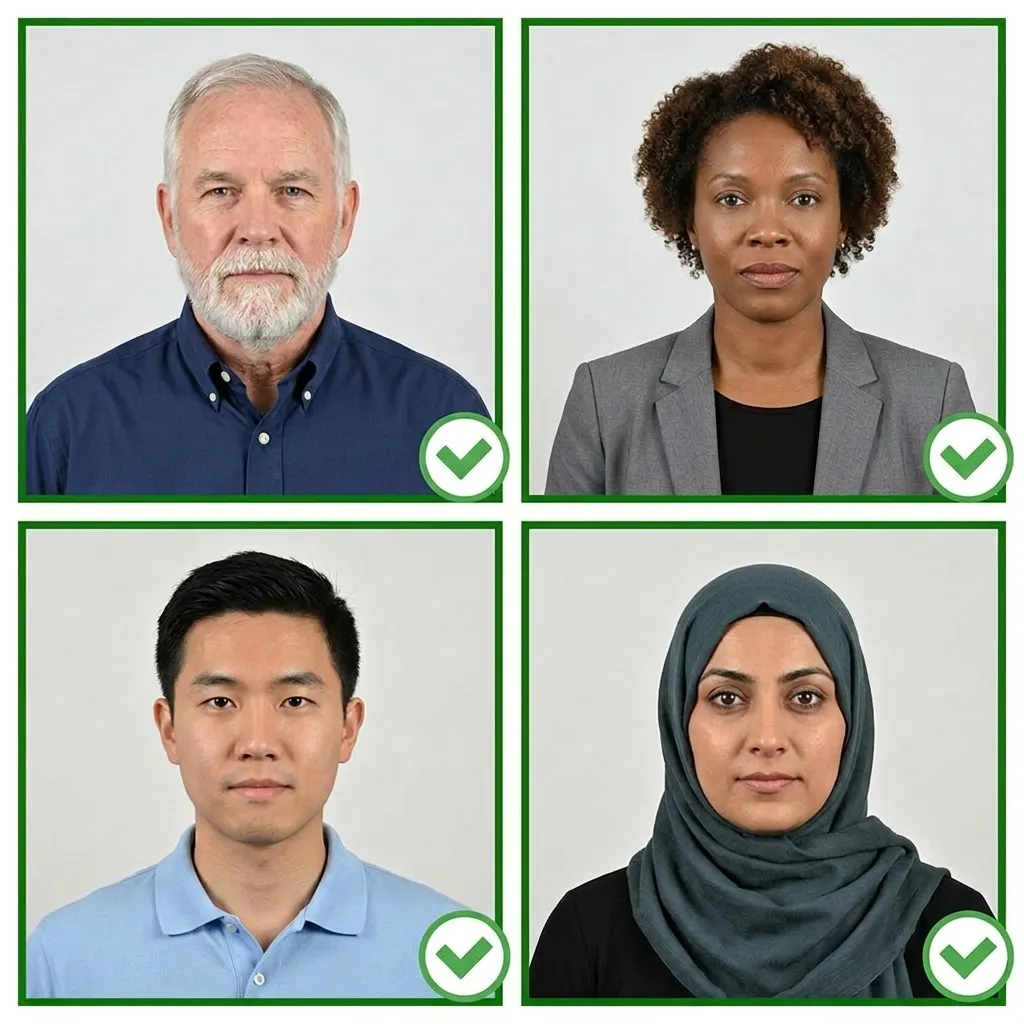
Wear your normal everyday clothing. Avoid uniforms and white tops that blend with the background. If you wear religious head coverings daily, you may keep them on as long as your full face is visible.
Make sure your hair does not cover your eyes or cast shadows on your face.
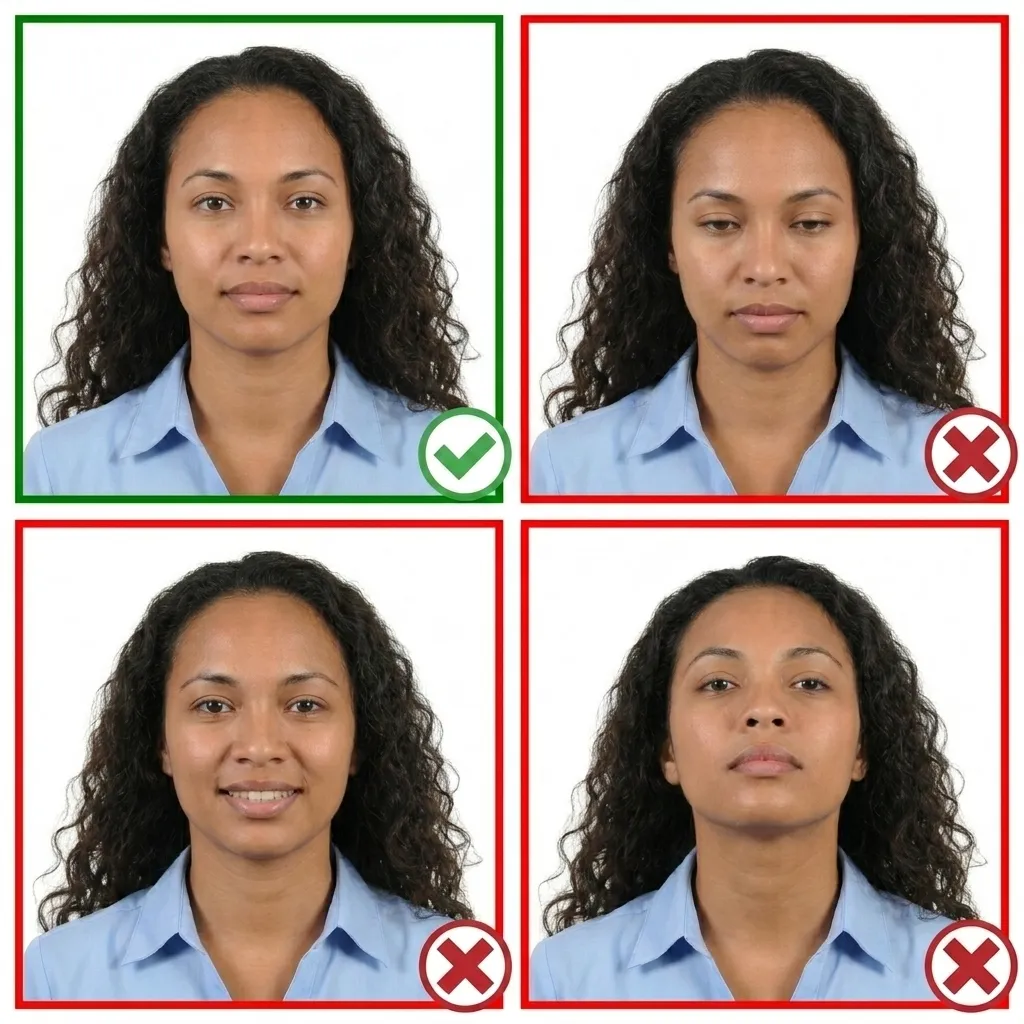
Stand about 1.5 meters (5 feet) in front of the camera with your head facing directly forward. Keep your shoulders relaxed and your head level — not tilted. Ensure your entire face from chin to forehead is visible.
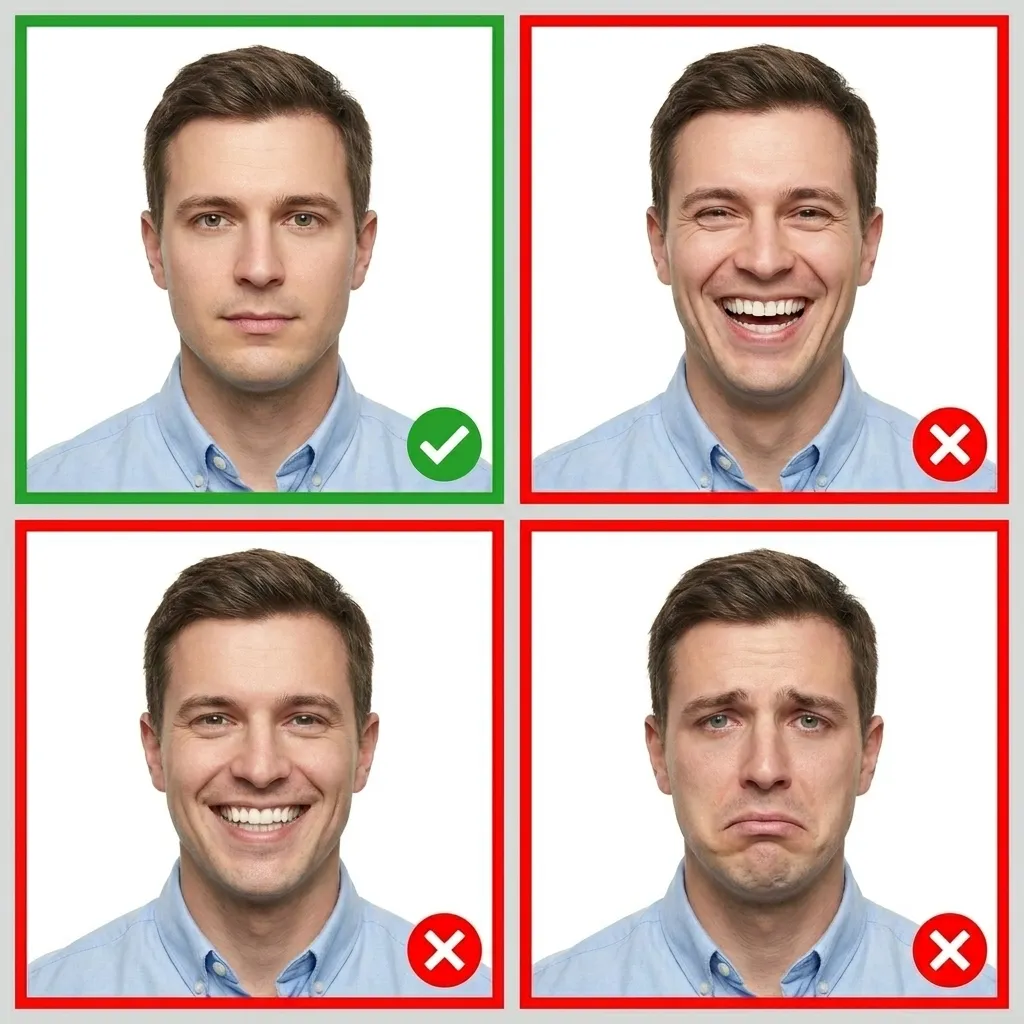
Keep your face relaxed with a neutral expression. Both eyes must be open and your mouth closed. Do not smile, frown, or show teeth.
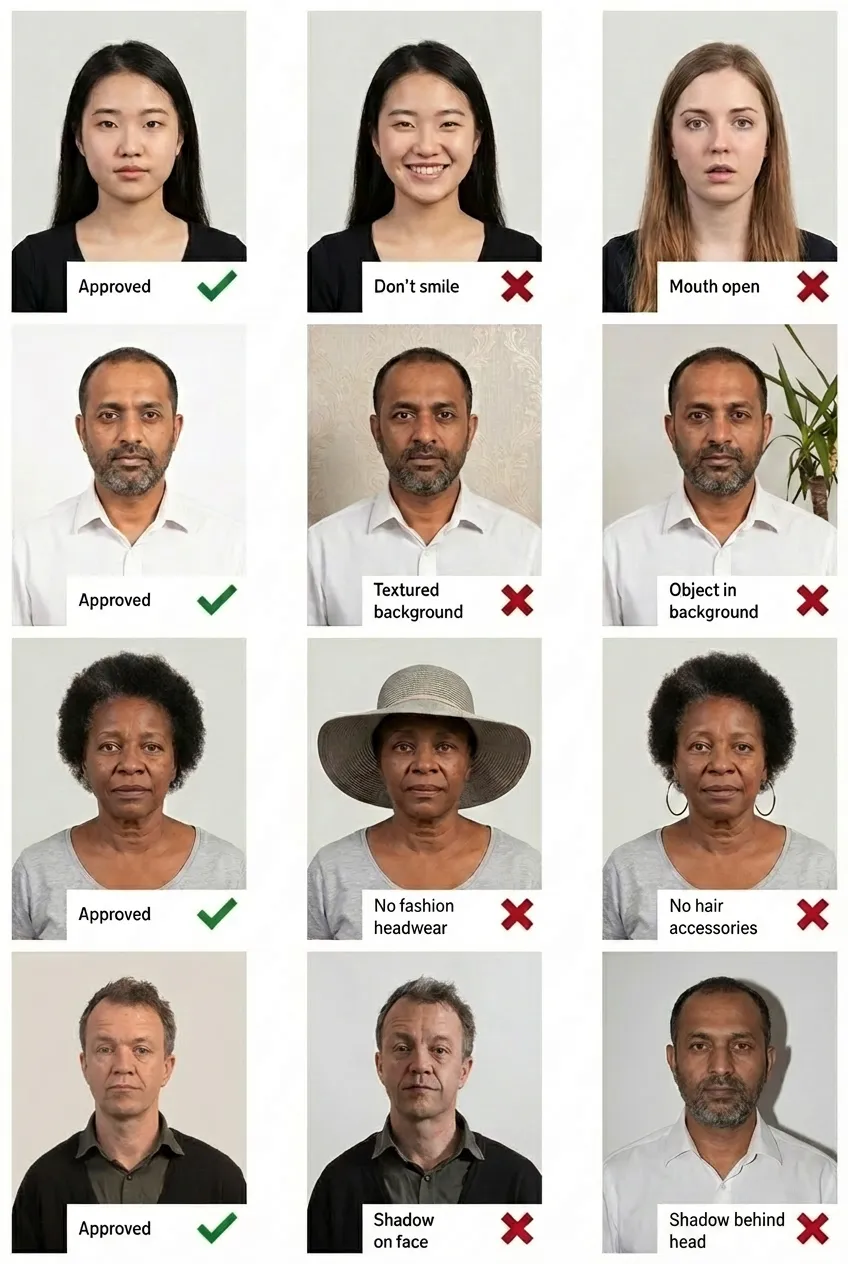
Comparison of acceptable and unacceptable visa photos
This format of Laos visa photo is 40×60mm (4×6 cm), the same dimensions as a Laos passport photo. It is commonly used for Laos eVisa applications and embassy submissions. You need to submit 2 identical photos.
The background must be plain white with no patterns, shadows, or objects visible. If you don't have a white wall, don't worry — our tool will automatically replace your background with white.
If both require the 40×60mm format with the same white background and similar specifications, the same photo may be used. However, always check the specific requirements of the application you are submitting.
Yes! You can take your visa photo with any smartphone. Simply upload it to PassportPhoto.help and our AI will automatically crop, resize, remove the background, and ensure it meets all Laos visa photo requirements.
The 40×60mm format (4×6 cm) is typically used for eVisa online applications and is the same size as a Laos passport photo. The 30×40mm format (3×4 cm) is a smaller size used for some standard visa applications at embassies. Always check which format your specific application requires.
Glasses are not recommended for Laos visa photos. If you must wear prescription glasses, ensure there is no glare or reflection on the lenses, and your eyes must be clearly visible. Sunglasses and tinted lenses are strictly not permitted.
Your visa photo must have been taken within the last 6 months. It should reflect your current appearance, including any significant changes to your face.
No, hats and head coverings are not allowed unless worn daily for religious purposes. Even then, your full face must be visible from the bottom of your chin to the top of your forehead, and the head covering must not cast shadows on your face.