Finland Passport Photo for Children Under 11 (36×47 mm) Requirements and Size Guide

Everything you need to know about Finland passport photo requirements for babies and children under 11, including special rules for infants, how to photograph a newborn, and how to ensure the photo meets Finnish Police requirements.
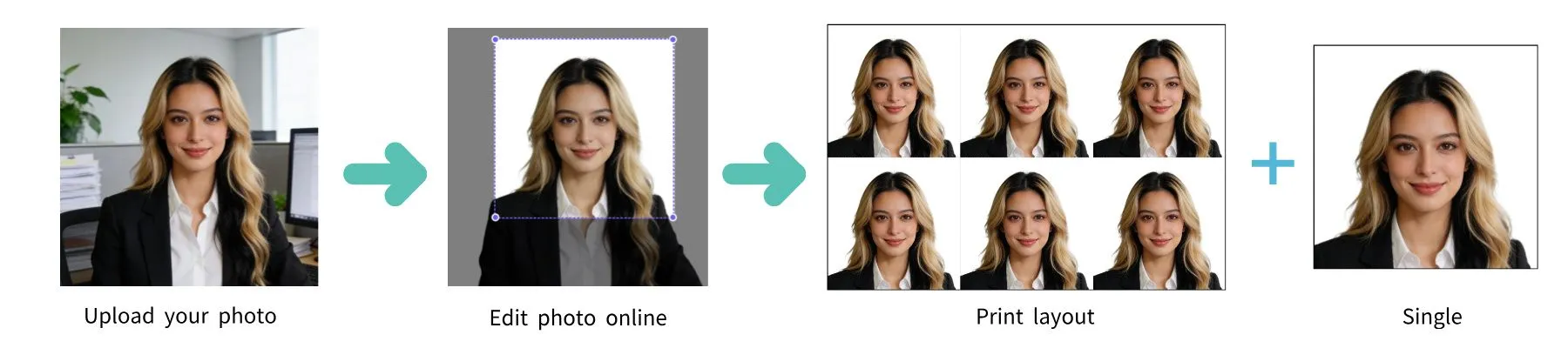
How PassportPhoto.help works - Upload, Crop, Download

Finland Child Passport Photo Specifications

RequirementSpecification
CountryFinland (Suomi)
Document TypePassport (Child under 11)
Photo Size36 × 47 mm (3.6 × 4.7 cm)
Resolution (DPI)600
Head SizeMinimum 25 mm from chin to crown (relaxed from adult 32–36 mm)
Head Size Ratio70–80% of photo height
Background ColorPlain white or light grey
PrintableYes — matte photo-quality paper
Digital Photo Size500 × 653 pixels, JPEG, max 250 KB
ColorColor preferred
RecencyWithin 6 months
Quantity1 photo
Special rules for children: A small child may be supported by an adult, but NO part of the supporting person (hands, arms) may be visible. If the baby cannot sit, they may be laid on a plain white or light-coloured surface.
Don't worry about getting the perfect photo. Upload any photo taken at home, and our AI-powered tool will automatically crop to the correct 36×47 mm size, remove and replace the background, adjust the head size, and ensure your child's photo meets all Finnish Police (Poliisi) requirements.

Detailed Finland Passport Photo Requirements for Children Under 11

Children of all ages need a passport photo for a Finnish passport. While the same 36×47 mm format applies, there are relaxed rules for head size and expression. Below is a comprehensive guide for photographing babies and young children.

Photo Basics

  • Your child's photo must be in color — color is preferred
  • Must be a recent photo, taken within the last 6 months
  • The photo must be clear and in focus, with no blurriness or pixelation
  • No filters or editing — do not digitally alter your child's appearance
  • Must reflect your child's current appearance
  • The photo must show your child's head and shoulders in a natural appearance

Size and Dimensions

  • Photo size: exactly 36 × 47 mm (3.6 × 4.7 cm)
  • Your child's head must occupy 70–80% of the photo height
  • Chin-to-crown distance: minimum 25 mm (relaxed from 32–36 mm for adults)
  • Head tilt: up to 5 degrees in any direction is tolerated
  • Printed on matte photo-quality paper
  • Digital version: 500 × 653 pixels, JPEG format, maximum 250 KB

Pose and Expression

  • Face the camera directly — your child's head must not be tilted or turned
  • Neutral expression preferred — mouth closed
  • Very young babies may have a slightly open mouth
  • A gentle smile may be acceptable for babies, but no broad laughter
  • Eyes must be open — partially open eyes are acceptable for infants
  • Ensure your child's face is fully visible from chin to forehead, and ear to ear

Background

  • Use a plain white or light grey background
  • No patterns, textures, or objects visible behind your child
  • No shadows on your child's face or behind their head
  • No toys, pacifiers, or other objects visible
  • No other people visible in the photo

Special Tips for Babies

  • Lay baby on a plain white sheet or surface if they cannot sit
  • Photograph from directly above to avoid shadows
  • A parent may support the child but NO hands or arms visible in photo
  • No toys, pacifiers, or objects visible
  • Best time: when baby is calm and alert
  • Avoid shadows on child's face

Glasses

Recommended to remove glasses for children's passport photos. If your child wears glasses:

  • Your child's eyes (pupils and iris) must be clearly visible through the lenses
  • No glare or reflection on the lenses
  • No tinted lenses
  • Frames must not hide your child's face or prevent identification

Head Coverings and Hats

  • No hats or head coverings are allowed, unless worn for religious or medical reasons
  • If worn, your child's full face must still be visible from chin to forehead
  • No headphones, earbuds, or wireless hands-free devices

Clothing

  • Dress your child in regular everyday clothing
  • Avoid wearing white or light colors that blend with the background
  • Do not wear uniforms

Source: Finnish Police (Poliisi) — Submitting Passport Photographs

Make Passport/Visa Photo for Other Countries →

How to Take a Finland Passport Photo for Your Child at Home

You don't need a professional studio. Follow these simple steps using your smartphone to take a compliant passport photo for your child.

1

Prepare the Setting

Lay a plain white sheet on a flat surface or against a wall. Ensure good, even lighting — natural daylight near a window works best. Remove all distractions, toys, and objects from the area.
Proper lighting setup for child passport photo
2

Position Your Child

If your baby cannot sit, lay them on their back on the white sheet. If your child can sit, position them facing the camera. Make sure their face is directed straight toward the camera.
Tip: A parent may support the child from behind, but no hands or arms may be visible in the photo.
Correct positioning for child passport photo
3

Get the Right Angle

If your baby is lying down, hold the camera directly above them, looking straight down. If your child is sitting, position the camera at their eye level. Avoid shooting from an angle.
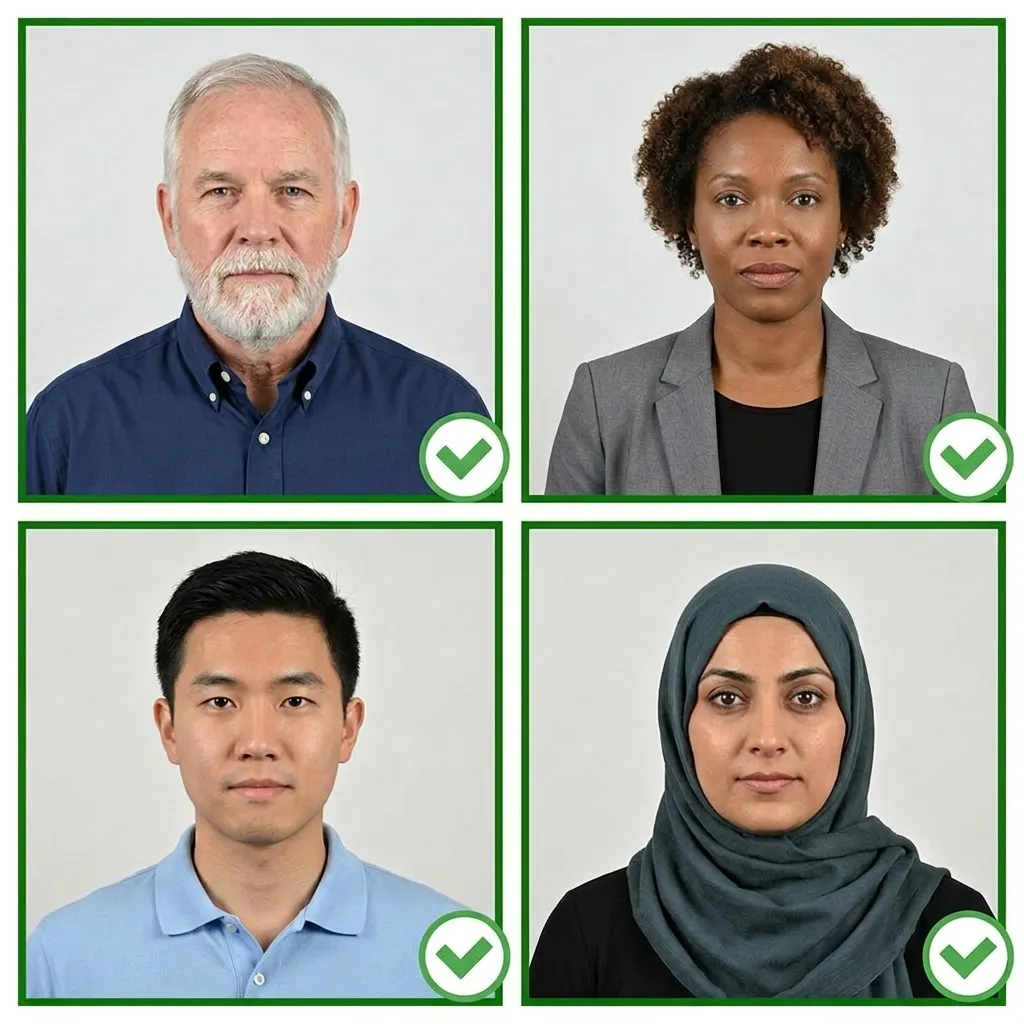
Correct camera angle for child passport photo
4

Capture the Expression

Wait for a calm moment when your child's eyes are open and their mouth is closed. For babies, partially open eyes and a slightly open mouth are acceptable. Be patient — it may take several attempts.
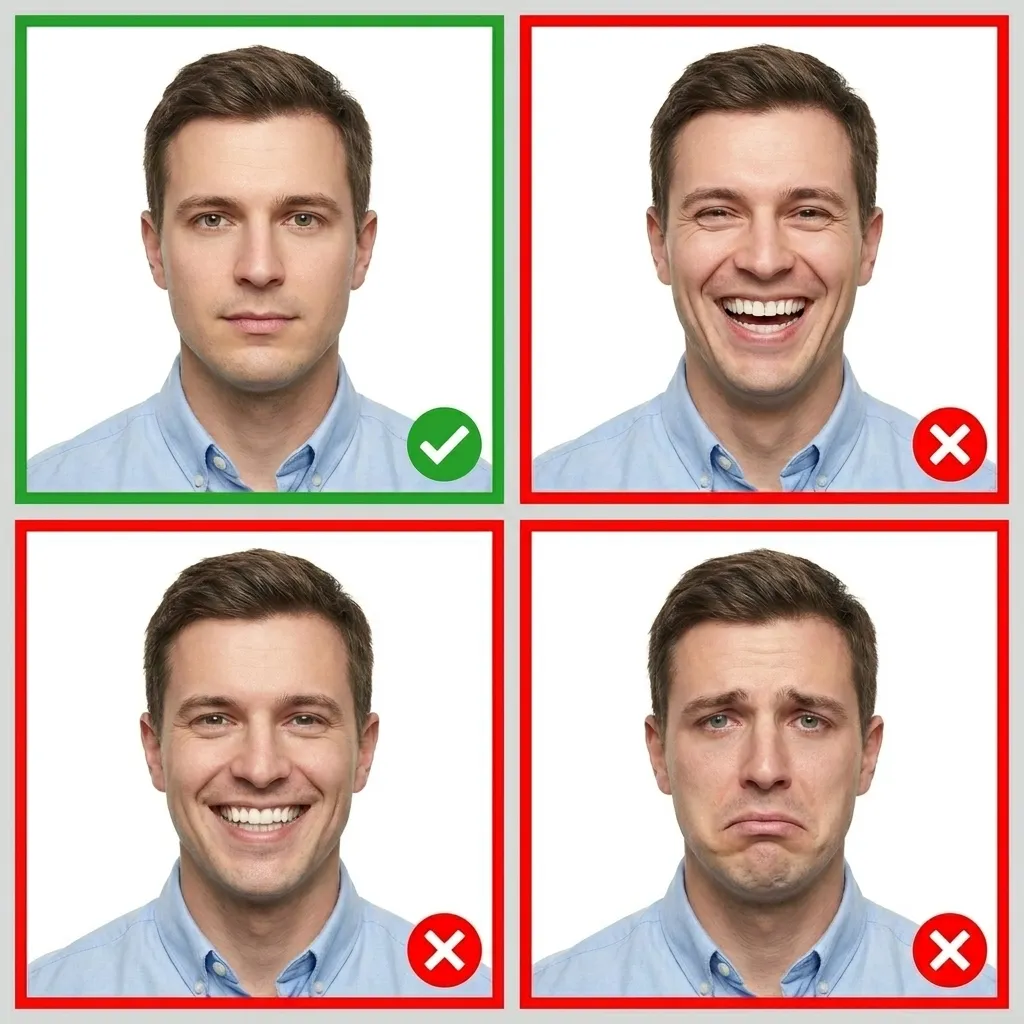
Capturing the right expression
5

Check the Photo

Review the photo to ensure: both eyes are visible, no hands or arms are in the frame, no toys or pacifiers are visible, the background is plain, and your child's face is in focus. Upload it to PassportPhoto.help and our AI will handle the rest.
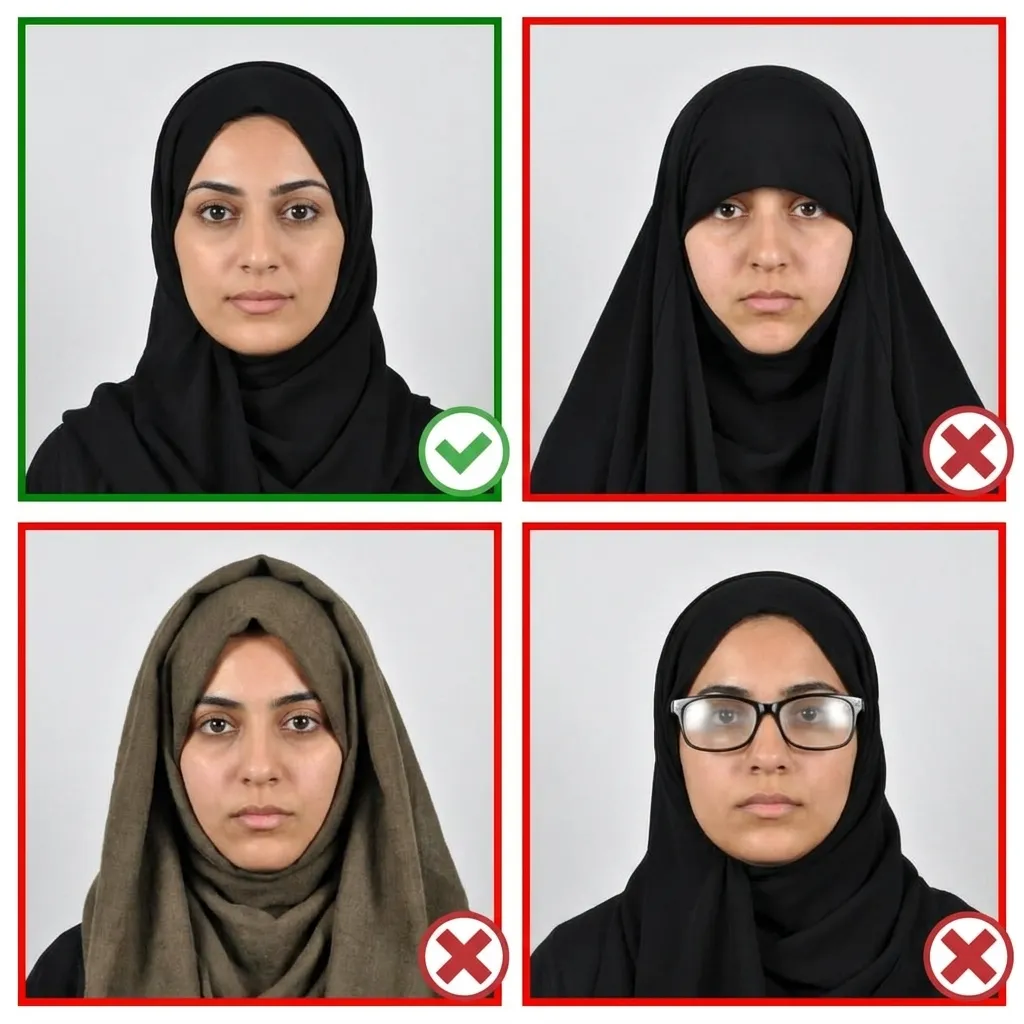
Don't worry about perfection. Our AI tool will automatically crop to 36×47 mm, remove and replace the background, and adjust the head size to meet Finnish Police requirements.
Checking child passport photo

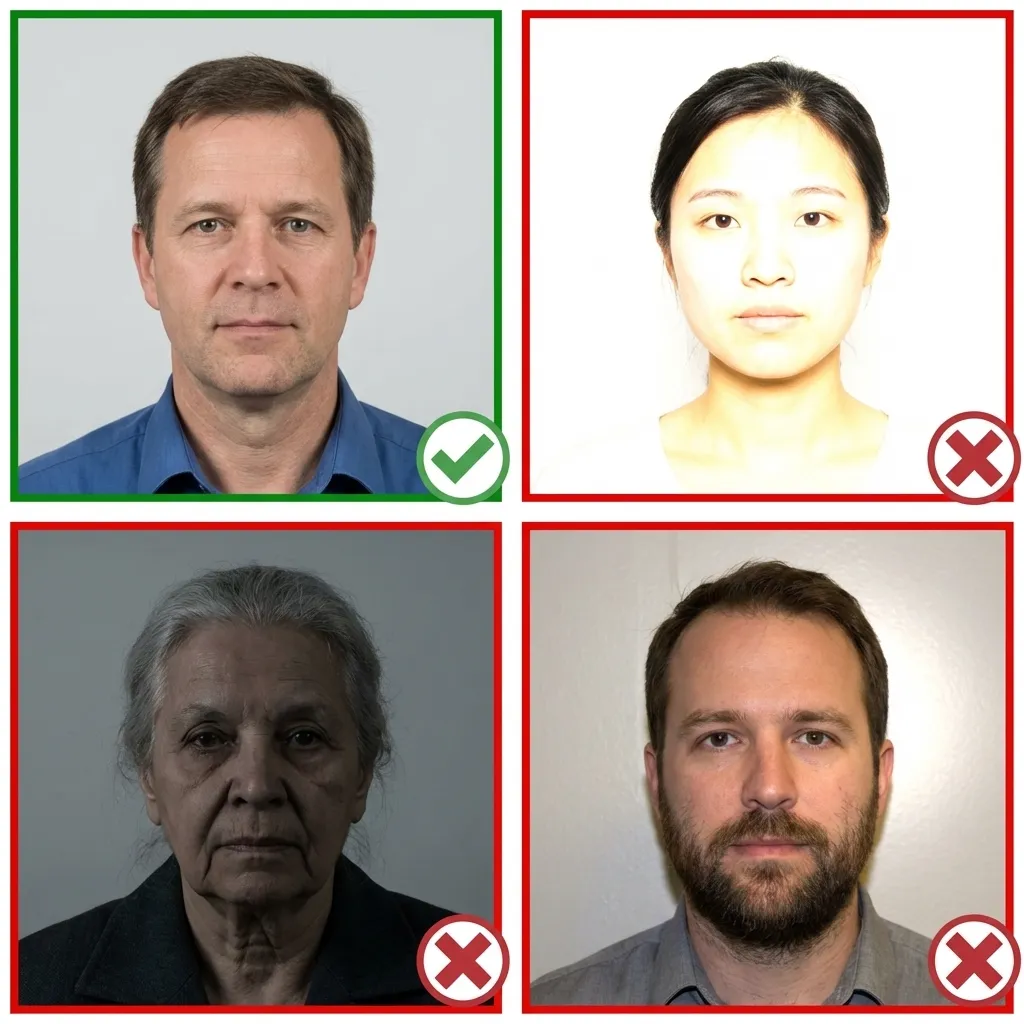
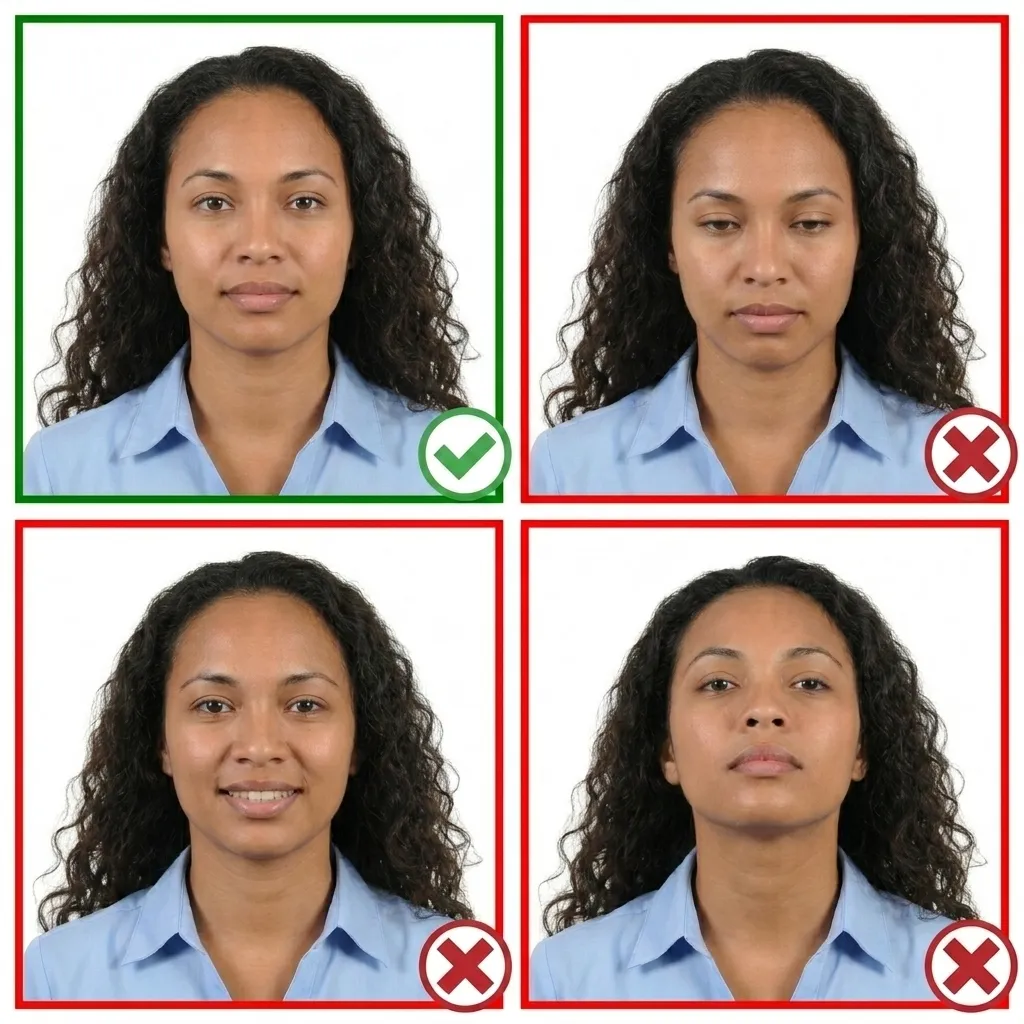
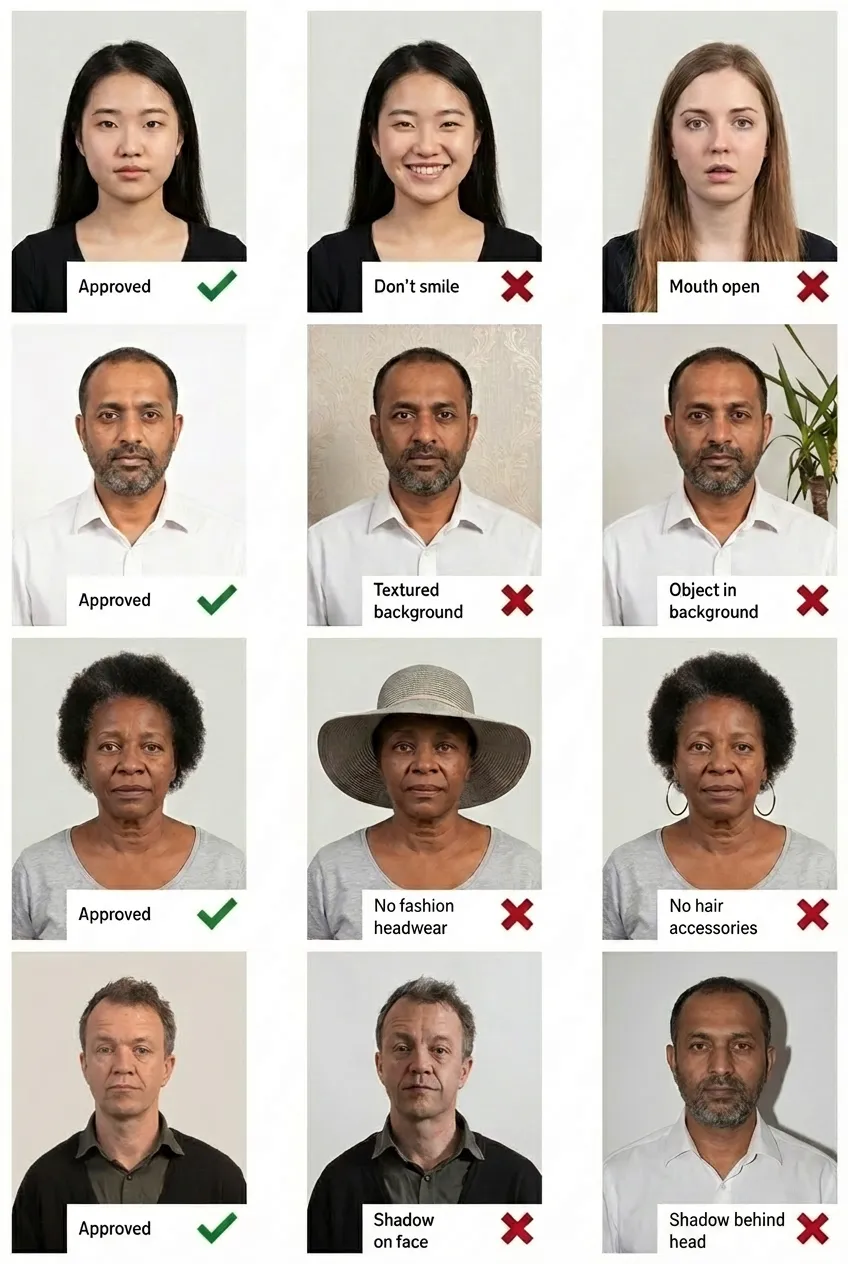
Good and Bad Examples of Finland Child Passport Photos

Good and bad examples of passport photos

Comparison of acceptable and unacceptable passport photos

Frequently Asked Questions

What size is a Finland child passport photo?

A Finland child passport photo must be exactly 36×47 mm (3.6×4.7 cm), the same size as the adult passport photo. Your child's head must occupy 70–80% of the photo height, with a minimum of 25 mm from chin to crown.

Can my baby's mouth be slightly open?

Yes, for very young babies a slightly open mouth is acceptable. However, a neutral expression with the mouth closed is preferred. No broad laughter is allowed.

Can I hold my baby in the photo?

Yes, a parent may support the child, but NO part of the supporting person (hands, arms, or any body part) may be visible in the photo. The child must appear alone in the frame.

What's the minimum head size for children?

For children under 11, the minimum head size is 25 mm from chin to crown. This is relaxed from the adult requirement of 32–36 mm, allowing for the smaller proportions of a child's head.

Can I use my phone to take the photo?

Yes! A smartphone is ideal for taking baby and child passport photos since you can easily position it above a lying baby or at a sitting child's eye level. Upload it to PassportPhoto.help and our AI will automatically crop, resize, and ensure it meets all Finnish Police requirements.

What background is required for a Finland child passport photo?

A plain white or light grey background is required. A plain white or light-coloured sheet works perfectly for babies who need to lie down for the photo.

Can my baby smile in the passport photo?

A gentle smile may be acceptable for babies, but a neutral expression is preferred. No broad laughter or exaggerated expressions are allowed. The mouth should ideally be closed.

What if my baby's eyes are partially closed?

Partially open eyes are acceptable for infants. Both eyes should be as visible as possible, but the Finnish Police understands that getting a newborn to fully open both eyes can be challenging.